By
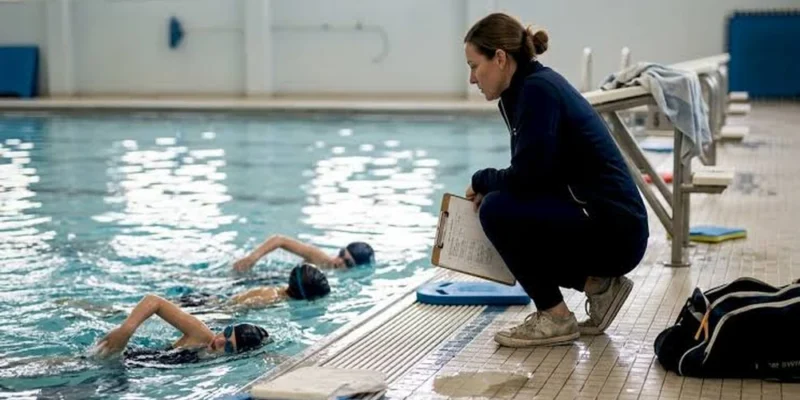
On a weekday afternoon at the Anchorvale Road complex, it’s easy to tell who’s at which stage without asking. The youngest learners are under the roof in the teaching pool, out of the glare. A little further along, someone is practising freestyle where the water only reaches their chest. And in the deeper water, a few swimmers are treading in place, concentrating hard, with nothing under their feet.
That walk from one pool to the next is roughly the shape of a sengkang swimming lesson programme. Before signing up, it helps to know what each stage is for, because the layout of Sengkang Swimming Complex quietly sets the order in which skills get learned.
Start Under the Shelter
Beginners usually start in the sheltered teaching pool. The roof matters more than it sounds. Singapore’s afternoon sun makes a long lesson tiring, especially for young children, and a covered pool cuts down direct sun exposure while learners work on the basics.
This is where water confidence comes first: getting the face wet, floating, kicking with support, breathing out underwater. None of it looks impressive from the poolside. All of it is necessary before a stroke can be taught properly.
What Changes in the Shallow Pool?
The safety margin is what makes repetition possible. A child who knows they can put their feet down will try the same arm movement twenty times. One who’s frightened will try it twice. For many families, this is also where structured syllabi such as SwimSafer come in, building water safety knowledge alongside technique and giving progress a recognised shape.
Adults Walk the Same Path
Grown-ups often expect to skip ahead, and some can. Many still need the same order of steps, especially those who are nervous in water or returning after years away.
A sengkang swimming lesson for an adult might focus on overcoming a fear of water, correcting a stroke picked up badly in childhood, or building endurance for fitness or a triathlon. The pools serve those goals the same way they serve children: confidence under cover, technique in the shallows, survival skills in the deep end.
Learners who’d rather not share a coach’s attention can usually arrange private lessons, with more flexible scheduling built around one person’s goals. Group classes suit many children well, since they learn partly by watching others.
Back at the edge of the deep end, one of those swimmers treading water lets go of the wall and doesn’t reach for it again. The coach doesn’t say much. Nobody needs to. A few months earlier, the same swimmer was under the shelter, learning to put their face in the water.